
Seasonal Transitions That Protect Pool Systems
Pool Openings and Closings in Middletown for preventing freeze damage and algae growth during off-season months
As the seasons change in Middletown, so do the needs of your swimming pool. Preparing your pool for the transition from summer to fall and winter—and getting it ready to reopen when warmer weather returns—is an important part of protecting your investment and keeping your pool in great condition year after year. Add-On Pools provides professional seasonal pool opening and closing services designed to help homeowners stay ahead of changing temperatures and seasonal conditions.
When cooler temperatures arrive, freezing weather can create serious problems for pool plumbing and equipment. Any water left trapped inside pumps, filters, heaters, plumbing lines, or other components can expand as it freezes, potentially causing cracked pipes, damaged equipment, and costly repairs. Proper pool closing helps prevent these problems by preparing the entire system for the months ahead.
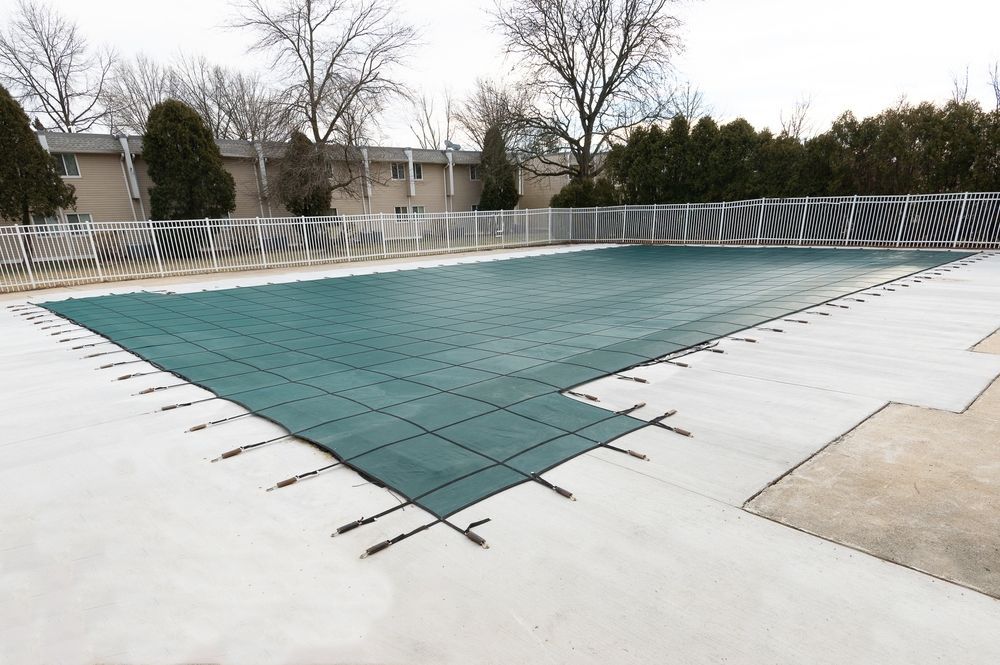
A professional pool closing includes preparing and protecting your pool equipment, draining water from pumps, filters, heaters, and other components, blowing water out of plumbing lines, and winterizing areas where water may remain trapped. Winterizing chemicals are also added to help protect the water and pool surfaces during the extended period when the pool is not being used. Finally, the pool is properly covered to help keep out leaves, debris, and other contaminants throughout the fall and winter.
What Happens During Seasonal Transitions
Proper chemical preparation is just as important as protecting the plumbing. A pool that is left untreated for an extended period can develop algae and other water-quality problems, leaving the water cloudy, discolored, or even opaque green when spring arrives. By properly balancing the water and adding the appropriate winterizing chemicals before closing, you can help minimize these issues and make the eventual pool opening much easier.
When spring arrives and temperatures begin to rise, Add-On Pools can help reverse the winterization process and get your pool ready for another season of swimming. A professional pool opening typically includes removing the winter cover, clearing away accumulated leaves and debris, restoring the plumbing and equipment, refilling necessary components, and restarting the circulation system. Once the system is operating properly, the water can be evaluated and treated to restore proper water chemistry.
Balancing pH, alkalinity, and sanitizer levels is an important part of preparing your pool for safe and enjoyable use. Getting the chemistry right early in the season can also help protect your pool surfaces and equipment while making it easier to maintain clear, clean water throughout the swimming season.
The transition between seasons doesn't have to mean worrying about frozen pipes, damaged equipment, cloudy water, or a pool that isn't ready when the first warm days arrive. With the right preparation at closing and professional care at opening, you can protect your pool during the colder months and enjoy a smoother start to the swimming season.
Whether you're preparing to close your pool for the fall and winter or getting ready to open it for spring and summer, Add-On Pools can help make the seasonal transition simple and stress-free. Schedule an on-site consultation today to plan your seasonal pool service before temperature extremes arrive and ensure your pool is properly prepared for whatever the next season brings.
Answers to Frequent Service Questions
Pool owners in Middletown often ask about timing, chemical requirements, and what the service includes before scheduling seasonal transitions.
When should pools be closed to avoid freeze damage?
Closings should complete before overnight temperatures consistently fall below freezing, typically late October or early November in Middletown, to ensure plumbing lines are cleared before water inside them can freeze and expand.
What happens if a pool isn't properly winterized?
Water trapped in equipment and plumbing can freeze, crack pump housings and filter tanks, split pipes, and damage heater heat exchangers, requiring expensive replacements when the pool reopens.
How long does a pool opening take before the water is swimmable?
Physical reopening completes in a few hours, but water chemistry often needs several days to a week of filtration and chemical adjustment before it's balanced and clear enough for safe swimming.
What chemicals are added during closing?
Winterizing chemical kits typically include algaecide to prevent growth in stagnant water, shock treatments to oxidize contaminants, and sometimes stain preventers to protect surfaces during months without circulation.
Why does water sometimes look green when a pool is reopened?
Algae grows in water that sat without circulation or sanitizer through winter, especially if the cover allowed sunlight penetration or chemical levels dropped too low during closure.
Add On Pools & Patios handles both seasonal transitions with attention to plumbing protection, chemical treatment, and equipment care. Schedule your closing or opening service to ensure your pool is properly protected or ready for use when the season changes.